
How Much Does a Home Gym Cost Compared to David Lloyd?

Building a home gym means paying once and owning the equipment for good. A David Lloyd membership means paying every month for as long as you’re a member. Which one actually works out cheaper depends entirely on which tier of home gym you’re building, so here’s what each one really costs and how quickly it pays for itself.
Affiliate Disclosure: This page contains Amazon affiliate links. As an Amazon affiliate, we earn from qualifying purchases. If you click through one of our links and buy something, we may earn a small commission at no extra cost to you. Every recommendation, price and comparison on this page reflects our own independent research and is never paid for or influenced by a brand.
The Real Cost of a Home Gym in the UK
Home gym setup cost varies more than most people expect, mostly because “home gym” can mean a pair of adjustable dumbbells in a spare room or a full rack-and-cable setup in a converted garage. Three tiers cover most of what people actually build.
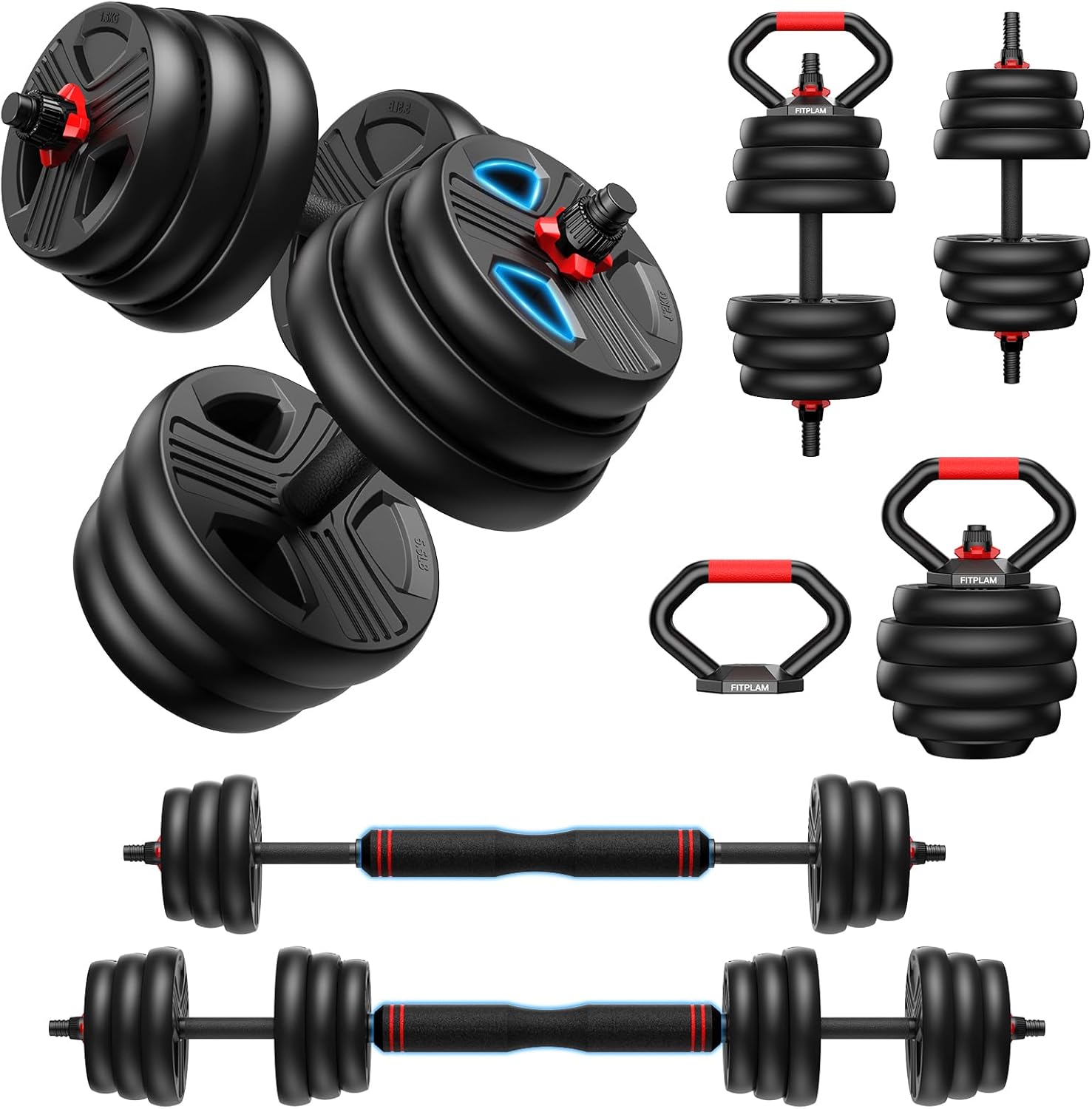
Budget setup (roughly £200 to £500). This covers adjustable dumbbells, a mat, resistance bands and a pull-up bar. It’s enough for full-body training using compound bodyweight and dumbbell movements, and it fits in a corner of almost any room.


Mid-range setup (roughly £800 to £2,500). This is where a home gym starts to properly replace a gym floor: a squat or power rack, an Olympic barbell, a set of plates, and a proper adjustable bench rather than a flat one. Most people who commit to training three or more times a week end up here eventually, even if they start smaller.




Premium setup (£3,000 to £10,000 or more). This tier adds a cable machine or functional trainer, a full range of plates and specialty bars, a dedicated lifting platform and proper flooring throughout. It rivals a small commercial gym floor, and it’s the tier where a home gym genuinely stops needing a membership to fill the gaps.

Body-Solid Multi-Station, Single Weight Stack Home Gym Machine, Arm & Leg Strength Training Functional Exercise Workout Station, 210lbs. Black Weight Stacks
Whichever tier you’re aiming for, buy the essentials first and add to the setup over several months rather than in one go. It spreads the cost, and it means you’re only buying what you actually use once you know your training habits.

How Home Gym Costs Compare to David Lloyd Membership
This is the number that actually matters: how long before a home gym has paid for itself against what you’d have spent on membership instead.
David lloyd membership cost runs roughly £95 to £160 a month on a flexible individual contract, depending on the club and tier, with a 3-month flexible term typically costing £300 to £480 in total. Using a mid-point of around £120 a month across Plus, Platinum and Diamond, here’s how each home gym tier stacks up.
A budget home gym breaks even against David Lloyd in about three months, not the ten to twenty-four months usually quoted against a standard high street gym. That’s the direct result of David Lloyd sitting at the premium end of the market rather than the budget end.
Even a mid-range setup, with a proper rack and enough plates to progress for years, pays for itself well within the first year. It’s only the premium tier, built to replace a full lifestyle club, where the breakeven point stretches out past four years.
What a Home Gym Doesn’t Give You
None of this means a home gym is automatically the better choice, only that it’s the cheaper one on paper. David Lloyd’s facilities include swimming pools, group classes, racquet courts and spa access, none of which a home gym can replicate no matter how much you spend on it. There’s also the social side: training alongside other people, structured classes, and staff around if you need help with form or an injury.

A home gym also puts the maintenance, the space, and the ongoing running costs entirely on you. Whether that trade-off is worth it depends on what you actually use a membership for, which is exactly what our full David Lloyd worth-it breakdown works through in more detail. If you’re not sure yet, a David Lloyd day pass is a low-cost way to try the full club experience before deciding either way.
Costs People Don’t Budget For
The setup cost on paper is rarely the final number. A few costs consistently catch people out once they’ve actually built the thing.
Buying plates piecemeal from different sellers over time is one of the most common regrets, since plates from different manufacturers often come in slightly different diameters and never quite match up on the bar. Delivery is another one, especially on anything heavy. Plates, racks and benches are bulky and expensive to ship, and that cost rarely shows up in the headline price you see online.
Going for the cheapest rack or bench to save money upfront is a false economy too. A rack that wobbles under load or a bench that flexes during a heavy press is both unsafe and something most people end up replacing within a year anyway, at which point the saving disappears. Flooring is the other one people forget entirely: a home gym without proper mats will mark the floor underneath and won’t protect plates if they’re set down or dropped.
My Honest Verdict: David Lloyd or Home Gym?
Having trained clients who’ve gone both ways, neither option is universally right. It comes down to what you’re actually training for and what else you want out of the membership beyond a place to lift.
Reasons to choose David Lloyd membership:
Reasons to avoid building a home gym:
Reasons to choose a home gym:
Reasons to avoid a David Lloyd membership:
My honest take: if you’re only there to lift and follow a straightforward programme, a mid-range home gym earns its cost back within a year and keeps paying you back every month after. Where a club membership earns its money is everything a barbell can’t replace: the classes, the pool, the social side, and having someone around if you need help with form.
If you’re still not sure which one you are, that’s exactly what a David Lloyd day pass is for, try the full club experience before deciding either way.
Frequently Asked Questions
How much would a home gym cost in the UK?
A basic setup with dumbbells, a mat and a pull-up bar costs around £200 to £500. A mid-range setup with a rack, barbell and plates typically runs £800 to £2,500, and a premium setup with a cable machine and full equipment range can reach £3,000 to £10,000 or more. Most people start at the lower end and build up over several months rather than buying everything at once.
Is a home gym worth the money?
For most people who train consistently, yes, since even a mid-range setup pays for itself within a year or two against most gym memberships. It’s less clear-cut if you rely on classes, a pool, or specific machines a home setup can’t easily replicate. The equipment also holds resale value if your circumstances change later, which softens the upfront cost further.
Is it cheaper to build a home gym or get a gym membership?
A home gym is almost always cheaper over two or three years, since you’re paying once rather than every month indefinitely. The exception is if you’re only training occasionally, in which case a pay-as-you-go option or a short flexible membership term can work out cheaper than equipment you won’t use enough to justify.
Can I build muscle with a home gym?
Yes, a home gym with a barbell, plates and an adjustable bench covers every major compound movement needed to build muscle, including squats, presses, rows and deadlifts. Progress depends far more on consistent training and progressive overload than on which building you’re training in. The main limitation is exercise variety compared to a full commercial gym floor, not muscle-building potential.
What is the 3-3-3 rule gym?
The 3-3-3 rule is a simple training guideline: three sets, three exercises, three times a week, aimed at people who want a straightforward routine without overcomplicating things. It works just as well in a home gym as it does in a commercial one, since it only needs a handful of compound movements to follow. It’s a useful starting point for anyone building a basic setup and unsure how much equipment they actually need.